DAX Vs M Language
DAX and M language are both used to manipulate data and perform calculations in Microsoft Power BI and Excel Power Pivot. Read More

DAX and M language are both used to manipulate data and perform calculations in Microsoft Power BI and Excel Power Pivot. Read More

Here you will understand all about – How to format Power BI visual On-Object. Read More

Power BI released On-Object! It’s a new way of build and format visuals. You can now build and format visuals directly on Visual. Read More

Now you can set the conditional formatting rules based on string fields. Read More
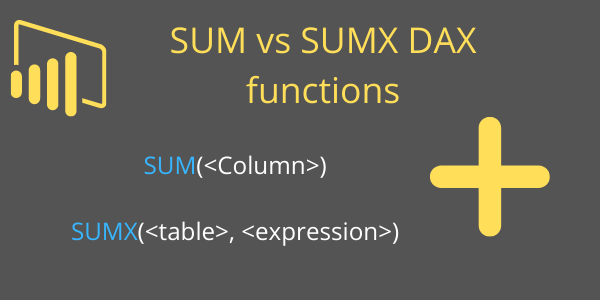
SUM and SUMX both are aggregation functions that are used to calculate a sum of values. Read More
Difference between calculated column and measure in Power BI. Read More

Power BI Vs Tableau – Key Differences and Comparisons. Read More

Star and snowflake schemas are both data modeling techniques used to structure data in a relational database. Read More

What are the differences between Power BI and SSRS? Read More
List of most frequently asked Power BI interview questions and answers for interview preparation. Read More

Unshared Y-axis & Scale to fit for small multiple charts in Power BI, Nov-2022 updates. Read More

Quick measure suggestions, Write DAX measure using natural language in Power BI. Read More

Creating Conditional formatting for Data Labels in Power BI. Create Rules for Data Labels in Power BI Read More

NEXTMONTH DAX function returns a table that contains a column of all dates from the next month. Read More

Field Parameters feature in Power BI, change dynamically column names & measure values in the visuals. Read More